



Wrekin Water Has Served More Than 50,000 Customers Over The Last 15 years


Stocking Only The Best Water Filtration and Water Softener Products
-
Water Filters
-
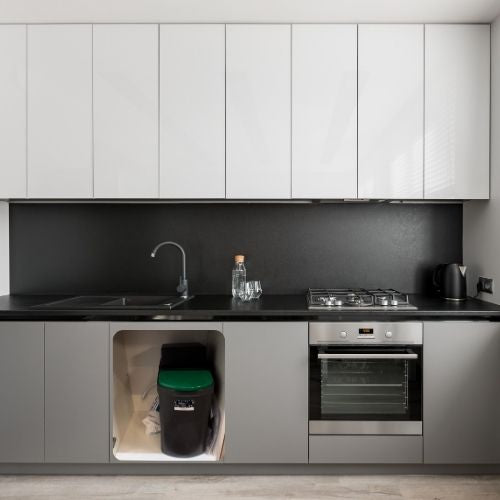
Water Softeners
-
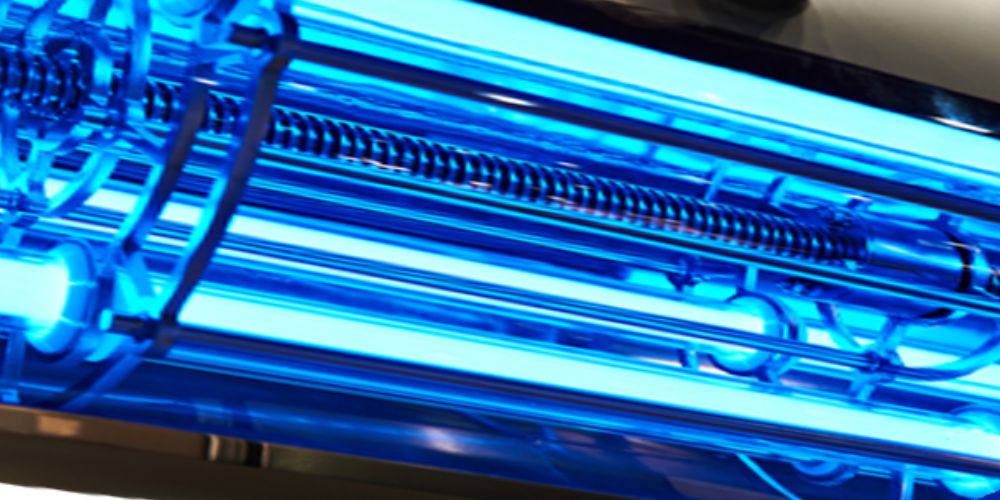
UV Filtration
-
Water Treatment Media


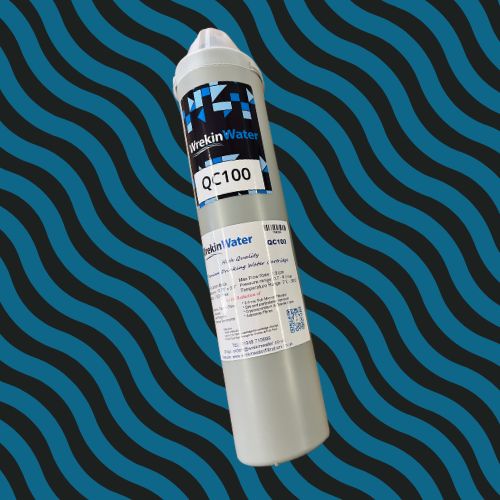
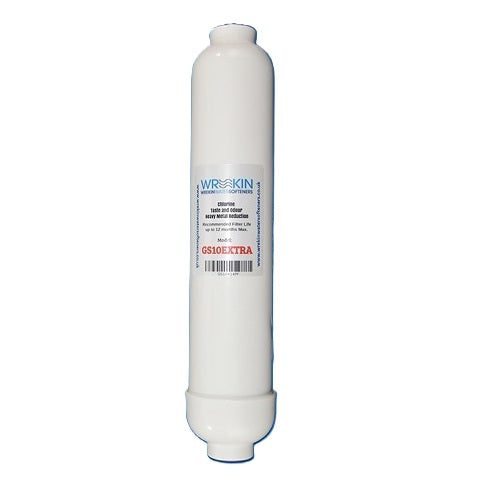


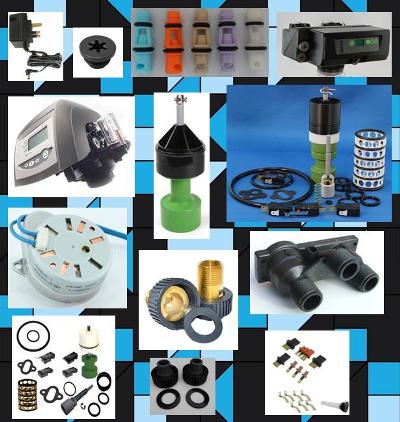



New Water Products at Wrekin Water
-
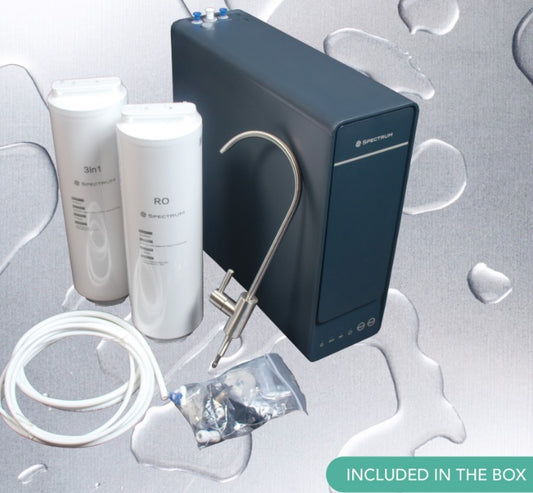
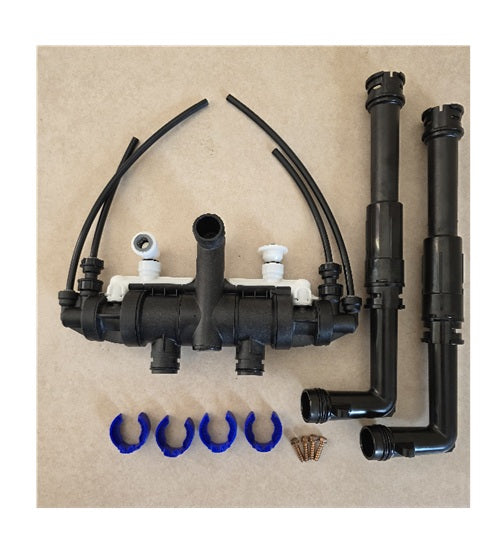
Spectrum Pure Z1-E020 Direct Flow Pumped - Quick Change Pure Reverse Osmosis System Cassette Based System
Regular price£348.00 Inc. VAT £290.00 Ex. VATSale priceUnit price per£348.00 Inc. VAT £290.00 Ex. VATRegular price£540.00 -
G8794 H20A - Shuttle Conversion Kit for Harvey H20 Water Softener Replacement for G1220 Shuttle
Regular price£150.00 Inc. VAT £125.00 Ex. VATSale priceUnit price per£150.00 Inc. VAT £125.00 Ex. VATRegular price -
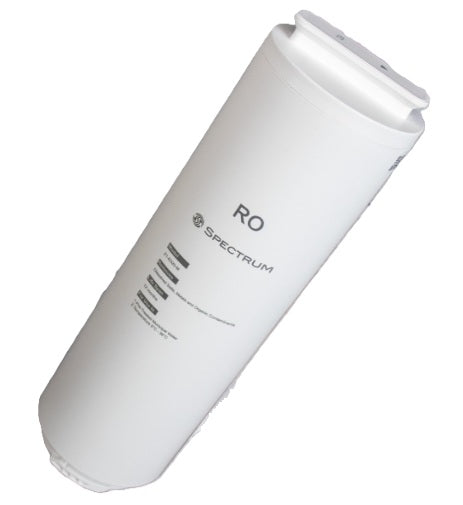
Spectrum Z1-E020-M Membrane Replacement Cassette for Z1-E020 Ro System
Regular price£118.50 Inc. VAT £98.75 Ex. VATSale priceUnit price per£118.50 Inc. VAT £98.75 Ex. VATRegular price -
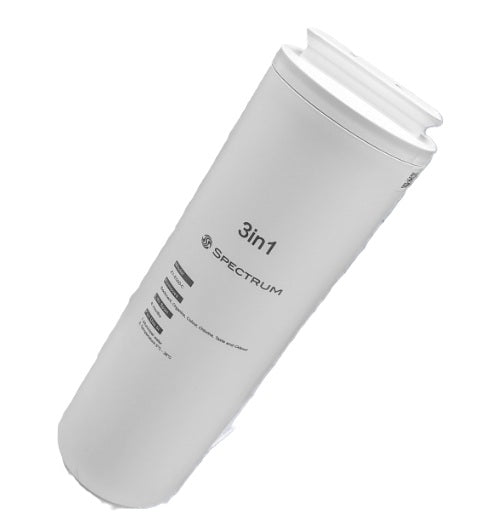
Spectrum Z1-E020C - 3 in 1 Replacement Cassette for Z1-E020 RO System
Regular price£58.50 Inc. VAT £48.75 Ex. VATSale priceUnit price per£58.50 Inc. VAT £48.75 Ex. VATRegular price
How Wrekin Water Helps You
-

-
Tackle Hard Water With Wrekin Water
Beat Hard Water NowCheck out our range of Water Softeners to match your home.
-
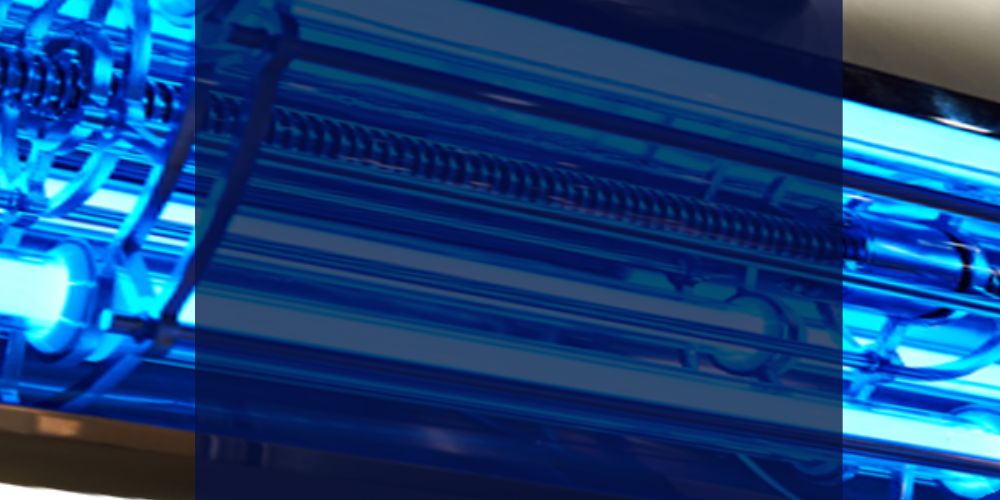
Shine The Light On Private Water With Our UV Water Filtration Systems
Say Bye To BacteriaGive Bacteria The Heave Ho With An Ultra Violet Water Filter
-

Outstanding After Care
Have A Question?We Are Passionate About Our Customer Service. You Will Receive Excellent Customer Support, Before, During And After Your Sale. Welcoming You Firmly Into Our Wrekin Water Family
This Months Special Offers
-
Spectrum Pure Z1-E020 Direct Flow Pumped - Quick Change Pure Reverse Osmosis System Cassette Based System
Regular price£348.00 Inc. VAT £290.00 Ex. VATSale priceUnit price per£348.00 Inc. VAT £290.00 Ex. VATRegular price£540.00 -
Spectrum Z1-E020C - 3 in 1 Replacement Cassette for Z1-E020 RO System
Regular price£58.50 Inc. VAT £48.75 Ex. VATSale priceUnit price per£58.50 Inc. VAT £48.75 Ex. VATRegular price -
Spectrum Z1-E020-M Membrane Replacement Cassette for Z1-E020 Ro System
Regular price£118.50 Inc. VAT £98.75 Ex. VATSale priceUnit price per£118.50 Inc. VAT £98.75 Ex. VATRegular price -
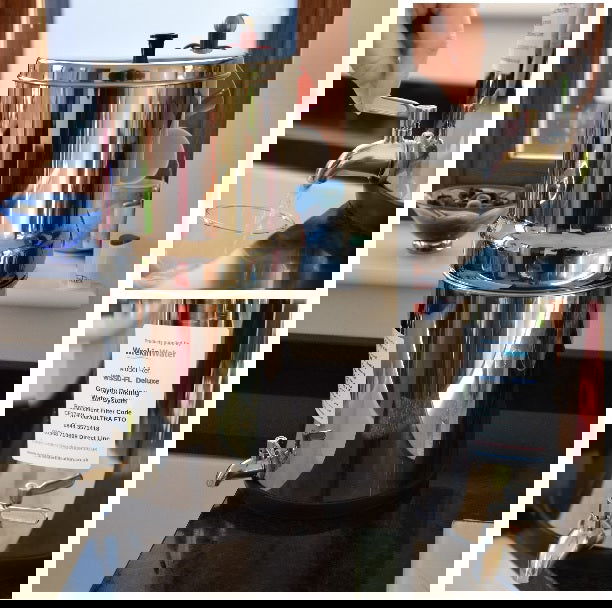
Wrekin Water Stainless Steel Gravity Water Filter System | Portable Fluoride & Pathogen Reduction | 8L Capacity | Includes Dual ceraULTRA FTO Ceramic Filters
Regular price£150.00 Inc. VAT £125.00 Ex. VATSale priceUnit price per£150.00 Inc. VAT £125.00 Ex. VATRegular price
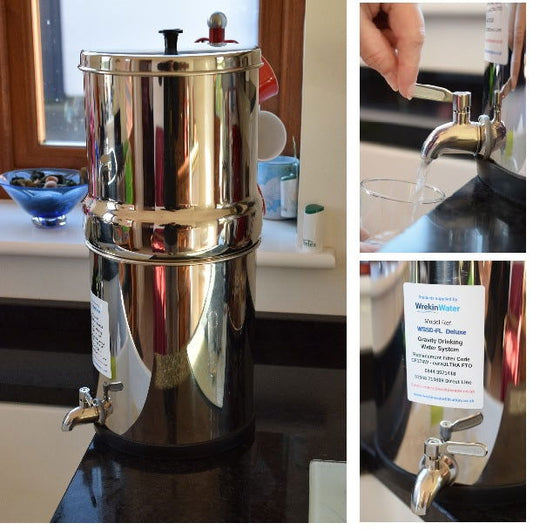

Find the Perfect Water Treatment Solution for you
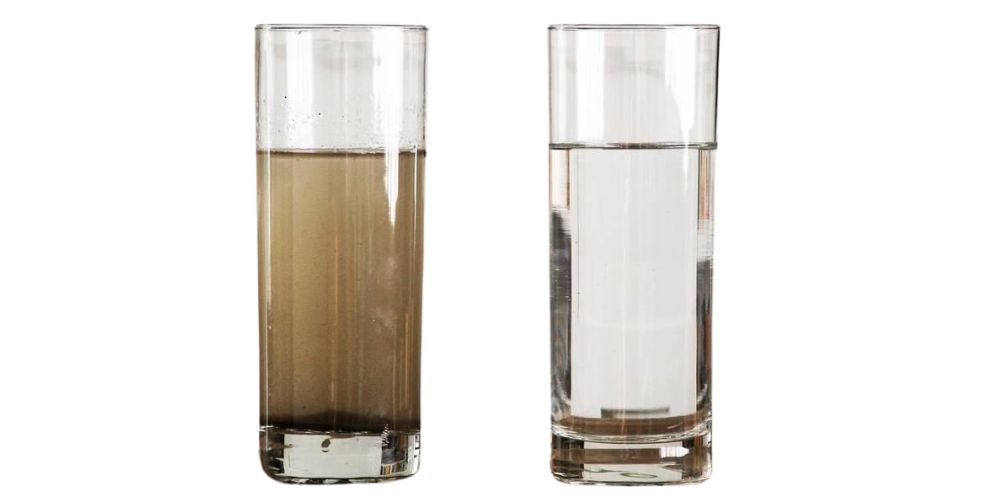
See Whats New in Water Filtration
Frequently asked questions about Water Treatment
Yes, tap water in the UK is exceptionally safe to drink and is subject to some of the strictest water quality regulations in the world. Data from the Drinking Water Inspectorate (DWI) shows that public water supplies consistently achieve a compliance rate of over 99.9%. However, while tap water is legally safe and free from harmful pathogens when leaving the treatment works, it frequently picks up chemical residues, dissolved minerals, and particulate impurities as it travels through miles of distribution mains and domestic property pipework.
While municipal water treatment ensures tap water does not cause illness, it is not optimized for taste, appliance longevity, or absolute purity. UK households install point-of-use water filters and water softeners to address specific aesthetic and chemical factors:
- Chlorine Reduction: Water authorities add chlorine as a necessary disinfectant. While safe, it imparts a distinct chemical taste and odor that affects drinking water, tea, and cooking.
- Sediment and Particles: Rust, microplastics, and environmental silt can enter the water stream during infrastructure transits, affecting clarity and purity.
- Heavy Metals: Older properties (built before 1970) may still feature historical lead plumbing, allowing trace heavy metals to leach into water supply lines under the kitchen sink.
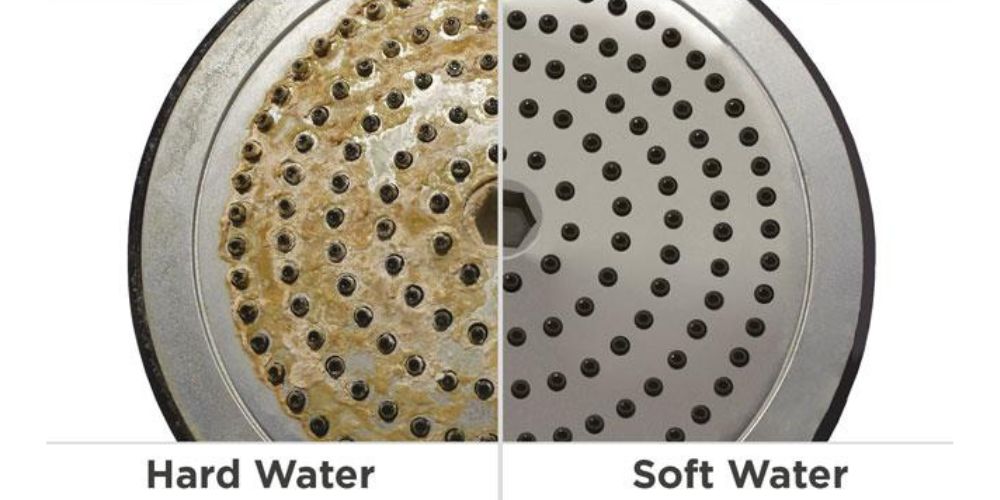
- Limescale and Hard Water Minerals: Across large portions of England and the UK, tap water contains high concentrations of dissolved calcium and magnesium. While harmless to health, this hard water creates heavy limescale buildup, reducing the efficiency of kettles, boilers, showers, and home appliances.
To upgrade your water from "legally compliant" to premium quality, a multi-stage approach is recommended. An activated carbon block filter is highly effective at stripping out chlorine tastes, organic compounds, and fine sediments. For comprehensive purification, a Reverse Osmosis (RO) system acts as a physical barrier that removes up to 99% of dissolved solids, heavy metals, and microplastics. In hard water regions, integrating a physical water softener at the mains entry point chemically exchanges hardness ions, permanently eliminating limescale buildup throughout the property.