
UV Replacement Bulbs & Germicidal Lamps | Shop All Leading Brands
Browse Replacement UV Lamps by Brand


-
T515 Wonder GPH303T5L Replacement UV Bulb 15w (G303)
Vendor:WrekinWaterRegular price £32.00 inc. VAT£26.67 ex. VATSale price £32.00 inc. VATUnit price per£26.67 ex. VAT -
T521 Wonder GPH436T5L/4 Replacement UV Lamp - 21/25w- (G436-LI)
Vendor:WrekinWaterRegular price £36.00 inc. VAT£30.00 ex. VATSale price £36.00 inc. VATUnit price per£30.00 ex. VAT -
T529 Wonder GPH620T5L/4HA Replacement UV Bulb 29w (G620)
Vendor:WrekinWaterRegular price £42.00 inc. VAT£35.00 ex. VATSale price £42.00 inc. VATUnit price per£35.00 ex. VAT -
T540 Wonder GPH843T5L replacement 40w UV Lamp (G843)
Vendor:WrekinWaterRegular price £37.00 inc. VAT£30.83 ex. VATSale price £37.00 inc. VATUnit price per£30.83 ex. VAT -
T565 Wonder G843/HO - 4 Pin High Output replacement UV Lamp
Vendor:WrekinWaterRegular price £56.00 inc. VAT£46.67 ex. VATSale price £56.00 inc. VATUnit price per£46.67 ex. VAT -
T6100 and T6120 Wonder GPH1148T6/HO Replacement UV Lamp - 100w F-35, FC-35, FS-35 (G1148/HO)
Vendor:WrekinWaterRegular price £96.00 inc. VAT£80.00 ex. VATSale price £96.00 inc. VATUnit price per£80.00 ex. VAT -
T680 Wonder 80w UV Lamp for Models F-24, FC-24 and FS-24 (36TUVT54PSE-HO)
Vendor:WrekinWaterRegular price £56.00 inc. VAT£46.67 ex. VATSale price £56.00 inc. VATUnit price per£46.67 ex. VAT -
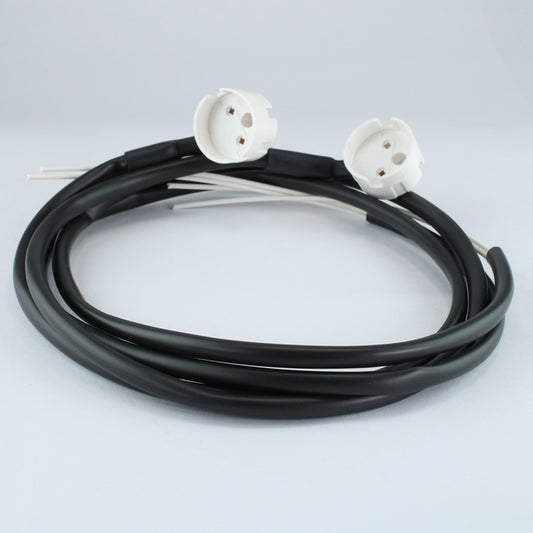
UVP0029 - G13 T8 Lamp Holder and Lead - for all SSi and SS UV systems and Liff P Series
Vendor:WrekinWaterRegular price £31.20 inc. VAT£26.00 ex. VATSale price £31.20 inc. VATUnit price per£26.00 ex. VAT -
Van Remmen 121101 25W UV replacement lamp for V100 UV
Vendor:Van RemmenRegular price £220.00 inc. VAT£183.33 ex. VATSale price £220.00 inc. VATUnit price per£183.33 ex. VAT -
Van Remmen 121202 120W LL UV replacement lamp for V160 and V200 UV Systems
Vendor:Van RemmenRegular price £575.00 inc. VAT£479.17 ex. VATSale price £575.00 inc. VATUnit price per£479.17 ex. VAT
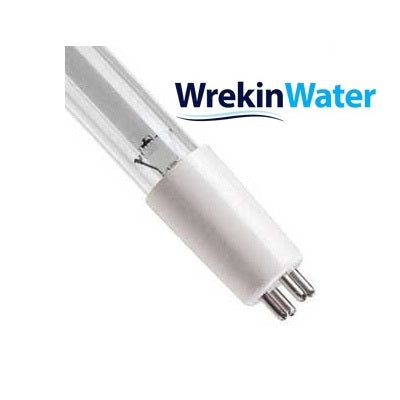
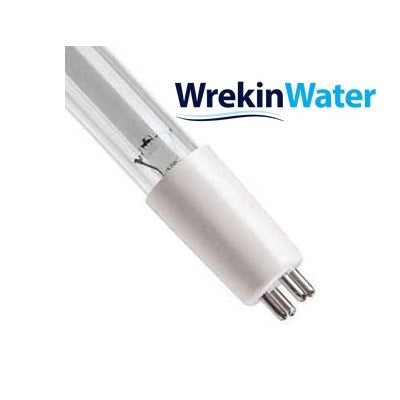

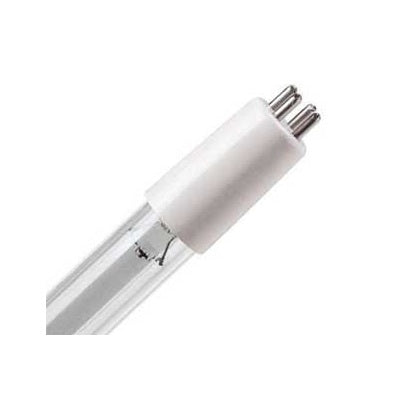
What UV bulb do I need for my system
1. Identify the System Brand
2. Locate the Model Number
3. Verify Length and Base Type


Why Precision Matters
Under regional water byelaws, any water fitting—including treatment units—must be of an appropriate quality and standard. Using the wrong bulb is considered a "faulty" fitting, which can lead to the contamination of water.
Safety Alert: If your water test shows E. coli or Coliforms, you must ensure your UV system is functioning perfectly. UV bulbs typically lose their germicidal effectiveness after 9,000 hours (approximately 12 months) of continuous use, even if they are still glowing blue.
Questions about replacement bulbs
Yes. A blue glow indicates that the lamp is receiving power, but it does not mean it is still producing germicidal UV-C radiation. Over time, the mercury inside the lamp dissipates and the quartz glass "solarizes," blocking the effective 254nm wavelength. For residential water safety, UV bulbs must be replaced every 9,000 hours (approximately 12 months) to ensure they are actually neutralizing bacteria and viruses.
A Genuine (OEM) bulb is made by the system manufacturer (e.g., Viqua, Luminor) specifically for their ballast's electrical output. A Compatible bulb is a third-party alternative designed to match those specifications at a lower cost. While high-quality compatible bulbs offer excellent disinfection, you must ensure the wattage, base type (e.g., 4-pin vs. 2-pin), and length are identical. Using the wrong bulb can cause the ballast to overheat or fail to strike the lamp.
UV lamps contain small amounts of mercury and are classified as hazardous waste under WEEE (Waste Electrical and Electronic Equipment) regulations. They must never be placed in your household recycling or general waste bins. You should take old lamps to your local Household Waste Recycling Centre (HWRC) and place them in the dedicated "Fluorescent Tube" or "Hazardous Waste" section.