

Product Description
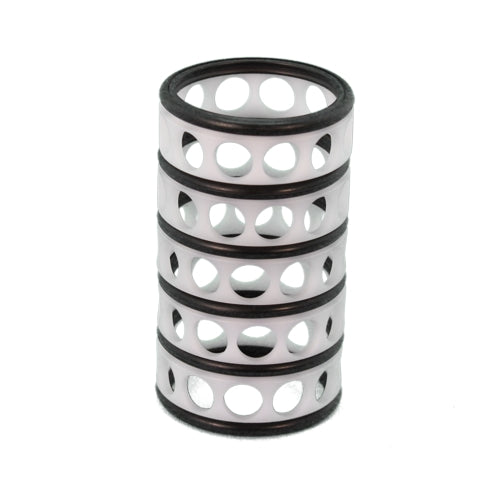
WrekinWater supplies the Fleck 2850 Seals and Spacer Kit in its hot water version, a genuine Pentair Fleck wearing-parts kit designed for the elevated temperatures a 2850 valve faces when fitted on a hot water softener, so seals last as long as possible before needing attention.
Technical specifications
| Compatible Valve | Fleck 2850 |
| Application | Hot water softener installations |
| Kit Contents | Seals and spacers for the valve stack |
| Seal Material | Heat-rated NBR/EPDM seals |
| Recommended Service Interval | Every 3–4 years on hot water duty |
| Brand | Pentair Fleck |
Symptoms that mean you need this part
- Water weeping or dripping from the valve body, particularly around joints and the piston housing
- Hardness passing through into softened hot water shortly after a regeneration cycle
- Seals appearing hardened, cracked or misshapen when the valve is opened for inspection
- A hissing or trickling sound from the valve when it should be sitting idle in service position
Why it fails / why it matters
Hot water accelerates the ageing of rubber seals far faster than cold-fill use, causing them to harden and lose elasticity well before their cold-water equivalents would. On a Fleck 2850 running hot water duty, this shows up as leaking around the valve body or hardness slipping through, and using heat-rated seals matched to the application is the only reliable long-term fix.
Why buy this from WrekinWater
WrekinWater has supplied genuine Fleck parts to more than 50,000 customers over 15 years from Bettisfield, Shropshire, and stocks Pentair Fleck alongside Autotrol, Clack, Kinetico and other major brands, so this kit is the correct heat-rated specification for a 2850 hot water valve, not a standard cold-water kit. We're UK Company No. 11000488, rated "Excellent" on Trustpilot.
How to fit it
- Isolate the softener at the inlet, relieve system pressure, and switch to bypass
- Remove the valve cover and drive assembly to access the piston and seal stack
- Withdraw the piston carefully, noting the order and orientation of each seal and spacer
- Clean the bore and piston thoroughly, checking for scale build-up common on hot water systems
- Lubricate the new seals with a silicone-based lubricant approved for potable water and fit them in the original sequence
- Reassemble the valve, restore the water supply, and run a manual regeneration to check for leaks before returning to service
Technical Resources
Frequently asked questions

Fleck 2850 - Seals and Spacer Kit - Hot Water Version
