

Product Description
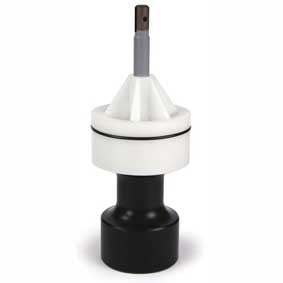
WrekinWater supplies the Fleck 28412-US Lower Piston Assembly for Fleck 2900 and 2910 softener valves with bypass (WBP), a genuine Pentair Fleck replacement part for anyone whose softener is bypassing hard water or leaking from the drain during normal operation.
Technical specifications
| Part Number | 28412-US |
| Compatible Valves | Fleck 2900 / 2910 |
| Position | Lower piston |
| Bypass Configuration | Standard, With Bypass (WBP) |
| Assembly Type | Complete piston with seals |
| Material | Engineered polymer piston with NBR seals |
| Brand | Pentair Fleck |
Symptoms that mean you need this part
- Water continuously running to drain even when the softener isn't in a regeneration cycle
- Softener never fully switching between service and regeneration, so water hardness slips through
- Visible wear grooves, flat spots or a rough surface when the old piston is removed and inspected
- Water dripping from the drain line or bypass connection outside of the normal regen schedule
Why it fails / why it matters
The lower piston travels back and forth inside the valve body thousands of times over the life of a softener, and each pass wears the seal surface against the bore a fraction more. Once that surface develops grooves or flat spots, the piston can no longer seal cleanly between ports, letting water bypass to drain or leak between the service and regeneration positions even when the valve appears to be cycling normally.
Why buy this from WrekinWater
WrekinWater has supplied genuine Fleck spares to more than 50,000 customers over 15 years from Bettisfield, Shropshire, and we stock Pentair Fleck alongside Autotrol, Clack, Kinetico and other major brands, so this piston assembly is matched correctly to your 2900/2910 WBP valve. We're UK Company No. 11000488, rated "Excellent" on Trustpilot.
How to fit it
- Isolate the softener, relieve pressure, and switch to bypass before starting work
- Remove the valve cover and drive assembly to access the lower piston
- Withdraw the old lower piston, checking whether the seal surface shows grooves, flat spots or hardened rubber
- Clean the valve bore thoroughly, checking for scale or mineral deposits that could affect the new piston's seal
- Lubricate the new piston assembly with a silicone-based lubricant approved for potable water and slide it into place
- Reassemble the drive assembly, restore the water supply, and run a manual regeneration to confirm normal operation with no leaks
Technical Resources
Frequently asked questions

Fleck 28412-US - Piston Assembly 2900/2910 Lower Standard WBP
